
The Hidden Cost of Self-Neglect (The Mirror Never Lies)
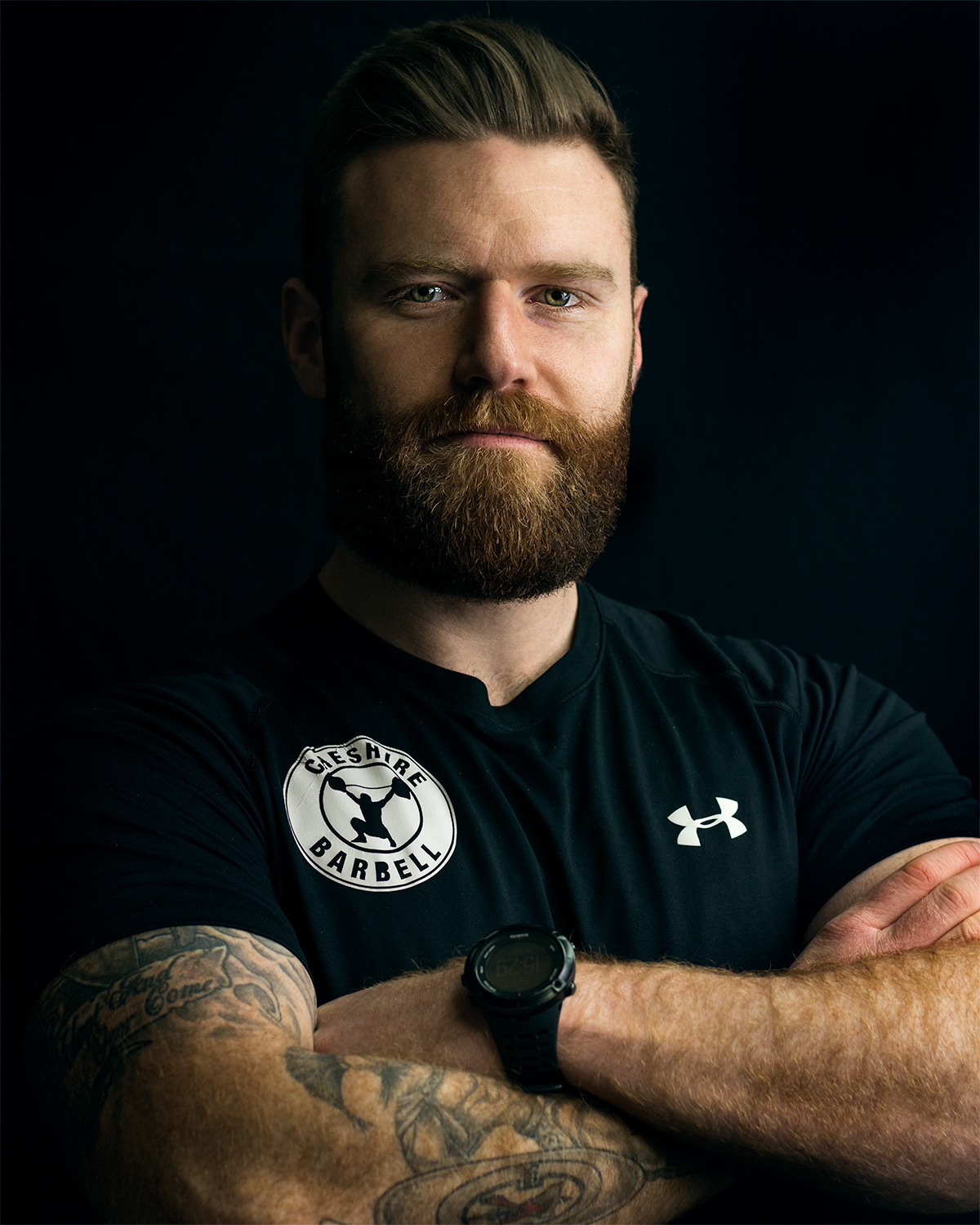

You've stopped showing up for yourself.
It happens gradually. First, it's the rushed morning where you skip the razor. Then it's the baseball cap covering unwashed hair for that "quick" Zoom call. Soon, you're taking client meetings in a hoodie with three-day stubble crawling down your neck.
And you tell yourself it doesn't matter. That appearance is superficial.
That you're "too busy" for such vanities.
But here's what's actually happening: every time you look in the mirror, something inside you flinches. A barely perceptible withdrawal. A subtle erosion of confidence.
This isn't about vanity. It's about dignity. It's about respect—not for others, but for yourself.
Research has consistently demonstrated that self-presentation impacts cognitive function. A landmark study by Adam and Galinsky (2012) introduced the concept of "enclothed cognition," showing that participants performed up to 29% better on attention-related tasks when wearing clothes they associated with attentiveness and competence.
This isn't just correlation. It's causation.
Your appearance doesn't just reflect your mental state—it creates it.
And the cost of neglect is far greater than you realise.
When you treat your body like an afterthought, your confidence becomes one too.
The lie men tell themselves is that they don't care how they look.
But deep down?
That reflection kills them.
The Subtle Depletion of Cognitive Resources
Every time you compromise on your standards—every time you "let it slide"—you're creating cognitive dissonance.
Your brain knows you're capable of better. It remembers when you used to care.
And that gap between what you know you should do and what you actually do? It's draining you.
Psychologists call it "ego depletion" – the phenomenon where maintaining inconsistencies between beliefs and behaviours consumes mental resources, leaving less available for other tasks (Baumeister et al., 2018).
You think you're tired from work, but what's draining you is dragging a body and mind you're not proud of through every day.
The Roman philosopher Seneca understood this paradox well: "The body should be treated more rigorously, that it may not be disobedient to the mind."
This isn't about six-pack abs or designer clothes.
For a man, it's about:
• Clear eyes
• A calm mind
• A strong back
• Clothes that fit
• A firm handshake
• A well-shaped beard
• A haircut every two weeks
• Knowing he can handle what the world throws at him
Most men approach appearance from the wrong angle. They think self-care is:
Something women do
Vanity and self-absorption
A luxury they don't have time for
Less important than "real work"
But high performers understand that performance is holistic.
Your mind doesn't operate in isolation from your body. Your confidence doesn't exist separately from how you present yourself. Everything is connected.
Research from Northwestern University found that participants who wore lab coats described as "doctor's coats" showed increased sustained attention compared to those wearing identical coats described as "painter's coats" (Adam and Galinsky, 2012). The clothes literally changed how their brains functioned.
I've seen this transformation firsthand. One of my clients—a successful small business owner—was showing up to Teams meetings unshaven, in wrinkled clothes. His justification? "My clients care about results, not how I look."
Yet after implementing a daily "dignity protocol," his business grew by 32% in six months.
Nothing changed in his business strategy.
Everything changed in how he showed up for himself.
As Marcus Aurelius wrote, "Dig within. Within is the wellspring of good; and it is always ready to bubble up, if you just dig."
The wellspring of confidence, energy, and performance starts with how you treat yourself.
This isn't vanity. It's dignity.
And it's the foundation upon which everything else is built.
This is what we could call "Dignified Presence" – the practice of honouring yourself through deliberate self-presentation. It's not about impressing others; it's about respecting yourself enough to present the best version of you to the world.
The 5-Point Protocol for Reclaiming Self-Respect
"No man is free who is not master of himself." — Epictetus
Self-neglect isn't just about appearance—it's a symptom of surrendering control. Of letting circumstances dictate your standards rather than your values.
The following five-step protocol creates a feedback loop of improved confidence, energy, and performance. Each step builds on the last, creating a system that becomes self-sustaining once implemented.
Step 1: The Morning Dignity Ritual
The first twenty minutes of your day set the tone for everything that follows.
Most men rush through their morning routine, treating it as something to "get through" rather than an opportunity to centre themselves and establish dignity.
Your morning ritual should include:
• Cold water on your face (proven to increase alertness by stimulating the vagus nerve)
• A proper shave or beard trim
• Dental hygiene that goes beyond the bare minimum
• Appropriate grooming (hair, nails, eyebrows)
• Intentional clothing selection
Consistent morning rituals have been shown to activate the prefrontal cortex, the brain region responsible for executive function and decision-making (Chambers et al., 2015). By starting your day with deliberate, dignity-affirming actions, you're literally rewiring your brain for performance.
The key is consistency, not perfection. Even on your worst days, a five-minute dignity ritual is better than nothing.
As Aristotle noted, "We are what we repeatedly do. Excellence, then, is not an act, but a habit."
Step 2: The Wardrobe Reset
Your wardrobe isn't about fashion—it's about function.
And the primary function of clothing for a high-performing man is to:
Reduce decision fatigue
Project competence to yourself
Create physical comfort that promotes focus
Start by removing everything that doesn't fit perfectly. Be ruthless.
Research by Martey et al. (2020) found that ill-fitting clothing creates subtle physical discomfort that consistently distracts cognitive resources. That means your tight collar or loose waistband is literally making you dumber.
Then, invest in quality basics that can be mixed and matched effortlessly:
• 2-3 well-fitting suits or blazers
• 5-7 quality dress shirts
• 3-5 well-fitting casual shirts
• 2-3 pairs of well-fitting jeans/trousers
• Quality shoes that are maintained regularly
The Ancient Greek philosopher Epictetus advised, "Know, first, who you are, and then adorn yourself accordingly."
Your clothes should reflect who you are and who you're becoming—not who you used to be.
Step 3: The Physical Presence Practice
How you inhabit your physical body communicates more than words ever could.
Research in the field of embodied cognition shows that physical posture doesn't just express confidence—it creates it. A study by Carney et al. (2015) demonstrated that "power poses" held for just two minutes significantly decreased cortisol (stress hormone) and increased testosterone (confidence hormone).
Your daily physical presence practice should include:
• Conscious posture correction (shoulders back, spine straight)
• Eye contact practice (maintain steady gaze during conversations)
• Handshake calibration (firm but not crushing, dry, confident)
• Voice modulation (speaking from the diaphragm, not the throat)
The Stoic philosopher Zeno of Citium taught that virtue is reflected in physical bearing: "Better to trip with the feet than with the tongue."
Your physical presence isn't just how others perceive you—it's how you experience yourself.
Step 4: The Weekly Maintenance Non-Negotiables
Consistency compounds. Small actions, repeated regularly, create massive results over time.
Your weekly maintenance schedule should include:
• Haircut every 2-3 weeks (even if it's just a cleanup)
• Nail trimming and maintenance
• Clothing (ironing, removing lint etc)
• Shoe shining
• Facial exfoliation and moisturising
• Dental check (flossing etc)
Research by Duke University found that up to 45% of our daily behaviours are habitual rather than deliberate decisions (Neal et al., 2011). By establishing these non-negotiables, you create automatic behaviors that support your dignified presence without requiring willpower.
The key is to make these maintenance tasks frictionless. Keep supplies visible and accessible. Schedule them at the same time each week.
As Seneca advised, "The time will come when diligence will distress you less than the regret at neglect."
Step 5: The Reflection Accountability System
The mirror doesn't lie—but your interpretation of what you see might.
Most men either avoid really looking at themselves or engage in harsh self-criticism when they do. Neither approach serves you.
Instead, implement the Reflection Accountability System:
• Morning reflection: 5 minutes of writing / talking with yourself, asking: "Am I showing up as my best self today?"
• Evening reflection: 5 minutes acknowledging where you met your standards and where you can improve tomorrow
• Weekly reflection: 20 minutes assessing patterns and making adjustments to your system
A meta-analysis by Kirschenbaum and Tomarken (2017) found that self-monitoring combined with specific standards was one of the most effective behaviour change techniques, with a 68% success rate compared to 35% for willpower-based approaches.
Marcus Aurelius practiced a similar reflection, writing: "When you wake up in the morning, tell yourself: The people I deal with today will be meddling, ungrateful, arrogant, dishonest, jealous, and surly. They are like this because they can't tell good from evil. But I have seen the beauty of good, and the ugliness of evil, and have recognised that the wrongdoer has a nature related to my own."
Your reflection should be data, not judgment. Use what you see to make incremental improvements, not to berate yourself.
The lie men tell themselves is that they don't care how they look.
But deep down?
That reflection kills them.
It reminds them of the standards they've let slip.
You don't need compliments.
You need proof.
Proof that you're the kind of man who doesn't cut corners.
Who trains, eats well, sleeps, and shows up with pride—whether anyone's watching or not.
Because you're watching.
And you know when you're full of it.
Put effort into your appearance—not for vanity, but for dignity and self-respect.
Performance is holistic. Once you realise that, and apply it, you experience a sense of balance along with a huge shift in your outlook and mentality.
The hidden cost of self-neglect isn't just how others perceive you—it's how you perceive yourself.
And that perception shapes everything else in your life.
Ready to Reclaim Your Self-Respect?
The truth is, reading about self-respect isn't enough—you need a system that transforms knowledge into daily practice.
That's exactly what I've created with the Recalibration Protocol.
This isn't just another "self-improvement" program.
It's a complete system for men who are tired of feeling disconnected from their best selves.
Men who know they're capable of more.
Men who refuse to let self-neglect drain their energy and confidence any longer.
Stop accepting the hidden costs of self-neglect.
Start showing up as the man you know you can be.
Your reflection is waiting.


Comments